
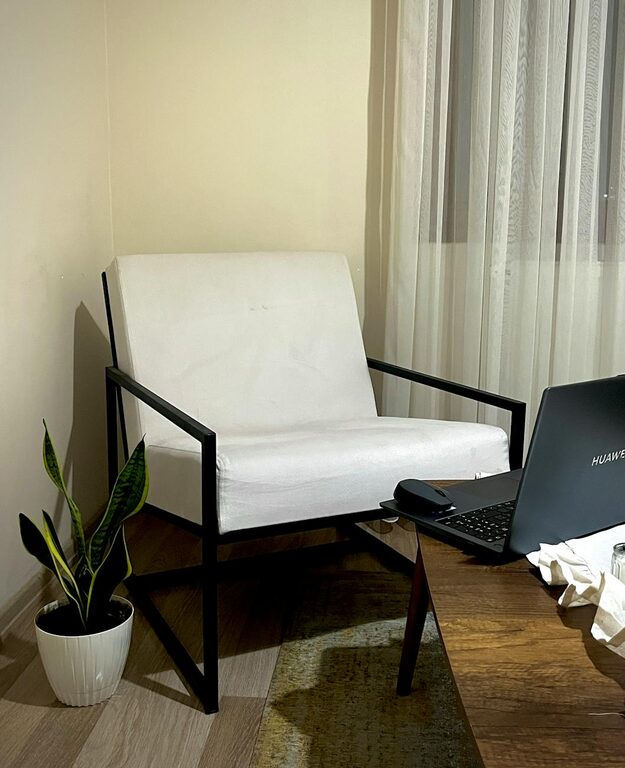
Creating a relaxing home workspace is essential for maintaining focus, reducing stress, and improving your overall well-being while working from home. A thoughtfully designed environment can help you separate work from leisure, boost your productivity, and make your workday more enjoyable. In this post, we’ll explore practical ideas to create a calming and efficient workspace right in your home.
Why a Relaxing Workspace Matters
Many of us spend hours sitting at our desks, and a cluttered or uncomfortable space can lead to distractions, fatigue, or even burnout. A relaxing workspace supports mental clarity and motivation by minimizing stressors and encouraging a calm mindset. It also invites you to maintain a healthy balance between work and personal life.
Choosing the Right Location
Find a Quiet Spot
Start by selecting a spot in your home that is quiet and free from frequent interruptions. If possible, choose a room or a corner away from noisy appliances or household traffic.
Natural Light Matters
Natural light has a positive effect on mood and energy levels. Place your desk near a window to benefit from daylight. If natural light is limited, consider warm, adjustable lighting to reduce eye strain.
Organizing Your Workspace for Calmness
Declutter Regularly
A tidy desk helps clear your mind. Keep only the essentials on your workspace and store other items nearby but out of sight.
Use Storage Solutions
Incorporate drawers, shelves, or organizers to keep documents and supplies in order. Baskets, file holders, and drawer dividers can make a big difference.
Personalize Mindfully
Add a few personal touches like a plant, a favorite photo, or artwork, but avoid overcrowding your space. Simplicity promotes relaxation.
Choosing Comfortable Furniture
Invest in an Ergonomic Chair
Comfortable seating supports good posture and prevents back pain. Look for chairs with adjustable height, lumbar support, and cushioning.
Select the Right Desk
Your desk should fit your needs and available space. Consider surface height and area to accommodate your work equipment comfortably.
Enhancing Ambiance
Incorporate Calming Colors
Colors influence mood. Soft, neutral tones such as light blues, greens, or earth shades can create a peaceful atmosphere.
Add Plants for Freshness
Indoor plants improve air quality and add a soothing natural element. Choose low-maintenance varieties like succulents or pothos.
Use Aromatherapy
Subtle scents, such as lavender or eucalyptus, can enhance relaxation. Use essential oil diffusers or candles with caution to maintain safety.
Minimizing Distractions
Manage Noise
If ambient noise is unavoidable, consider noise-cancelling headphones or white noise machines to help you concentrate.
Digital Declutter
Keep your digital workspace organized by managing files, emails, and apps. Close unnecessary tabs to avoid distractions.
Creating a Routine for Work-Life Balance
Set Clear Boundaries
Define your working hours and communicate them to others in your household.
Take Regular Breaks
Schedule short breaks to stretch or relax to avoid burnout and maintain focus.
End the Day with a Ritual
A closing routine, like tidying your desk or writing a to-do list for tomorrow, signals the end of work time.
Final Thoughts
Designing a relaxing home workspace takes time and attention, but the benefits for your mental health and productivity are well worth it. By focusing on comfort, organization, and ambiance, you can create a space that inspires you to do your best work while feeling calm and energized.
Start small with a few changes, and adjust your setup as you learn what makes you feel most comfortable and focused. Your workspace is a personal space—make it work for you!