
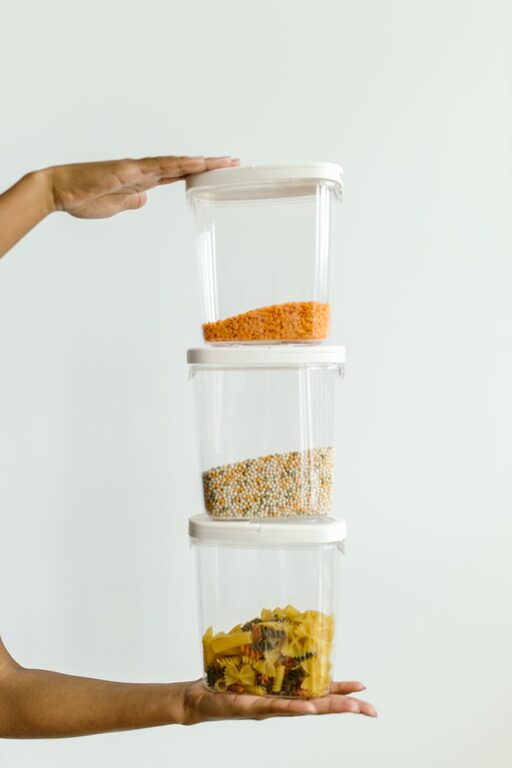
Planning meals from pantry staples is a smart way to save time, reduce waste, and create delicious dishes without last-minute trips to the store. Whether you’re stocking up for busy weekdays or trying to simplify your cooking routine, your pantry can be a treasure trove of meal options. In this guide, we’ll explore practical steps to plan meals using what you already have on hand, helping you stay organized and inspired in the kitchen.
Why Plan Meals from Pantry Staples?
Using pantry staples as the foundation of your meal planning offers several benefits:
– Cost-effective: Staples like grains, canned goods, and dried beans are affordable and have a long shelf life.
– Convenient: Meals can be prepared quickly as ingredients are always available.
– Reduces waste: You use what you have before buying more, minimizing food spoilage.
– Versatile: Staples can be combined in many ways to create a variety of dishes.
Step 1: Take Inventory of Your Pantry
Start by taking a clear inventory of what’s currently in your pantry. This includes:
– Grains and pasta: rice, quinoa, couscous, pasta varieties
– Canned and jarred goods: tomatoes, beans, tuna, vegetables, sauces
– Baking essentials: flour, sugar, baking powder, oils
– Spices and seasonings: herbs, salt, pepper, spice blends
– Others: nuts, dried fruits, broth, coconut milk
Write everything down or use a pantry app to keep track. Knowing what you have helps avoid duplicate purchases and fuels meal ideas.
Step 2: Organize Your Pantry for Easy Access
An organized pantry makes meal planning simpler. Sort items by category and place frequently used staples at eye level. Consider clear containers or labeled bins for smaller items like spices or grains.
Tip: Group items that go well together. For example, place canned beans near rice or pasta. This visual cue can inspire quick meal combinations.
Step 3: Create a List of Easy Recipes Using Pantry Staples
Now that you know your inventory, identify recipes that use those staples. Here are some ideas:
– Pasta with tomato sauce and beans: Use canned tomatoes, dried pasta, and canned beans for protein.
– Rice and vegetable stir-fry: Combine rice, frozen or canned veggies, soy sauce, and spices.
– Chili or stew: Use canned beans, broth, canned tomatoes, and chili powder.
– Bean salads: Mix canned beans with olive oil, vinegar, spices, and canned or fresh veggies.
– Soup: Use broth, canned vegetables, rice or pasta, and herbs.
Search for recipes online or consider creating your own by mixing staples with fresh or frozen items.
Step 4: Plan Your Weekly Meals Around Staples
When planning your meals, start by selecting recipes featuring your staples. Aim for variety by mixing grains, proteins, and vegetables differently each day. For example:
– Monday: Lentil and rice stew
– Tuesday: Pasta with canned tomato sauce and garlic
– Wednesday: Chickpea salad with olive oil and lemon
– Thursday: Stir-fried rice with mixed veggies
– Friday: Tomato soup with grilled cheese (using pantry bread or coming from your fridge)
Make a list of ingredients needed and note any fresh items to purchase.
Step 5: Shop Smart to Complement Your Staples
Buy fresh ingredients that complement pantry items to keep meals balanced and nutritious. Commons additions include:
– Fresh vegetables and fruits
– Dairy or dairy alternatives
– Fresh herbs
– Proteins like eggs, tofu, or meat (if desired)
Shopping with your pantry inventory in mind reduces impulse buys and helps prepare meals with less effort.
Step 6: Batch Cook and Store for Busy Days
To save time, consider batch cooking meals using pantry staples. For example, cook a large pot of chili or soup and freeze portions. This makes it easy to reheat on busy days without additional cooking.
Tips for Maximizing Pantry Meal Planning Success
– Rotate staples regularly: Use older canned goods first to avoid spoilage.
– Keep spices fresh: Old spices lose flavor; consider refreshing your collection annually.
– Experiment with flavors: Try different herbs and spice combinations to keep meals interesting.
– Use leftovers creatively: Turn leftover rice into fried rice or use beans in salads or dips.
– Keep a running list: Add pantry staples you often run out of to your shopping list.
Sample Pantry Staples to Always Keep On Hand
Having a well-stocked pantry allows for greater flexibility. Consider keeping these essentials:
– Dry pasta and rice
– Canned tomatoes and tomato paste
– Beans (canned or dried)
– Broths or bouillon cubes
– Cooking oils (olive, vegetable)
– Flour, sugar, and baking powder
– Various spices (cumin, paprika, garlic powder, oregano)
– Nut butters and dried fruits
Final Thoughts
Meal planning with pantry staples is a smart, sustainable approach to cooking that helps you save money and time while reducing food waste. By knowing what’s in your pantry, organizing it efficiently, and pairing staples with fresh ingredients, you can enjoy a variety of tasty meals all week long. Give it a try and watch your kitchen become a source of creativity and convenience!
—
Happy cooking! Feel free to share your favorite pantry-based recipes in the comments below.