
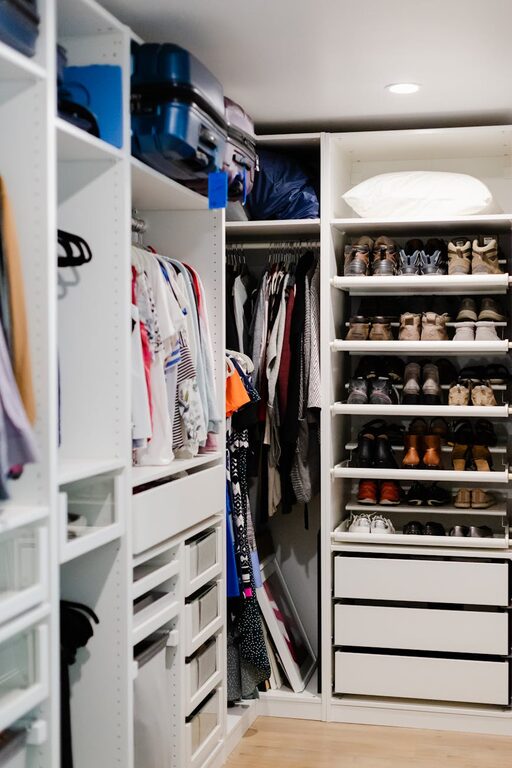
Storing seasonal clothes can be a challenge, especially if you have limited closet space. Whether it’s bulky winter coats or light summer dresses, proper storage helps protect your garments and keeps your wardrobe organized year-round. In this post, we’ll share smart, easy-to-follow tips to store seasonal clothes efficiently, so you can save space and extend the life of your clothing.
Why Store Seasonal Clothes Properly?
Storing clothes the right way prevents damage from moisture, pests, wrinkles, and fading. Proper storage also frees up closet space for your current season’s items, making it easier to find what you need and keep your home tidy. By investing a little time in organizing seasonal clothes, you’ll save effort in the long run.
Step 1: Sort and Declutter
Before packing clothes away, take stock of what you actually want to keep. Sort your wardrobe into categories:
– Keep: Clothes you wear regularly and plan to keep.
– Donate or Sell: Items in good condition but no longer your style.
– Repair: Clothes needing mending or cleaning.
– Discard: Worn-out or damaged items beyond repair.
Decluttering helps reduce storage volume and makes it easier to organize what matters.
Step 2: Clean Clothes Thoroughly
Always launder or dry clean clothes before storing. Dirt, sweat, and oils can attract pests and cause fabric damage over time. Follow care labels for washing instructions:
– Wash items according to their recommended temperature.
– Ensure clothes are completely dry before packing to prevent mold and mildew.
– Use gentle detergents and avoid fabric softeners if storing long-term.
Step 3: Choose the Right Storage Containers
The containers you use play a big role in protecting clothes:
– Plastic bins with tight-fitting lids: These keep out moisture, dust, and bugs. Choose clear bins to easily see contents.
– Cotton storage bags or breathable garment bags: Useful for delicate fabrics that need air circulation.
– Vacuum-seal bags: Great for saving space but use cautiously with delicate or natural fibers that may get crushed or damaged.
– Suitcases and under-bed storage boxes: Utilize unused spaces effectively.
Avoid cardboard boxes, if possible, as they can attract pests and absorb moisture.
Step 4: Store Clothes Smartly by Type and Fabric
Organize clothes by category or fabric type to simplify retrieval:
– Heavy sweaters and coats: Fold and store flat to maintain shape.
– Lightweight tops and dresses: Hang in breathable garment bags or fold carefully.
– Delicate fabrics (silk, lace, wool): Use acid-free tissue paper between folds.
– Shoes and accessories: Store in their boxes or separate compartments to prevent damage.
Label each container with its contents and the season for quick access.
Step 5: Prepare Clothes for Long-Term Storage
To keep clothes in top condition during storage:
– Use cedar blocks or lavender sachets to deter moths and bugs naturally.
– Avoid direct sunlight and store containers in a cool, dry place.
– Place acid-free tissue paper inside shoes to retain shape.
– For knits, fold rather than hang to prevent stretching.
Step 6: Maximize Your Storage Space
Make the most of your available space with these tricks:
– Use vacuum-seal bags to compress bulky items like down jackets and blankets.
– Stack transparent bins vertically to save floor space.
– Use closet rods or tension rods to hang clothes in less-used areas.
– Store off-season shoes on lower shelves or under beds.
Step 7: Periodically Check on Stored Clothes
Set reminders to inspect your stored clothes every few months to:
– Check for moisture or mold.
– Look for signs of pests.
– Refresh cedar blocks or sachets.
– Air out garments to prevent musty smells.
Regular checks help maintain preservation and prevent unpleasant surprises.
Bonus Tips for Seasonal Clothing Storage
– Consider rotating your wardrobe seasonally. When switching seasons, put away the clothes for the past season and bring out the new season’s items.
– If space is tight, consider investing in a clothing rack with garment bags for off-season clothes.
– For expensive or sentimental pieces, use acid-free boxes and proper archival materials to extend longevity.
Conclusion
Efficient seasonal clothes storage is all about planning, cleaning, protecting, and organizing. By following these steps, you can save storage space, protect your garments, and enjoy a tidy closet throughout the year. Happy organizing!
—
With the right approach, storing seasonal clothes doesn’t have to be a chore. Try these tips at home and see the difference in your closet space and wardrobe upkeep.